

My Childhood Tradition and a Gift for Modern Wellbeing
Ayurveda has been appearing more frequently in wellbeing conversations, especially through books like Rasayana by Geeta Vara, which explores how this ancient health tradition helps us stay youthful in body and mind. As I read her reflections, something stirred deeply within me – a realisation that surprised me. I had never spoken openly to my wellbeing community about the fact that Ayurveda was not just a philosophy I studied later in life. It was the foundation of my childhood.
I grew up in Kenya, in a family of Indian heritage, surrounded by the natural rhythm of life. Up until the age of 17, when I moved to the UK, neither my family nor I relied on allopathic medicine. Not because it wasn’t available, but because we rarely needed it. Our first line of care was always nature. The kitchen was our pharmacy, and the seasons were our guide.

If I had a cold, my mother reached for ginger, turmeric, or holy basil. A fever meant rest, hydration, and simple herbal infusions. Digestive discomfort was soothed with cumin or fennel. Cuts and scrapes were treated with antiseptic herbs long before I ever saw a bottle of antiseptic cream. We lived in harmony with our environment, trusting the body’s innate intelligence and supporting it with natural remedies passed down through generations.
Reading Rasayana reminded me of this forgotten truth: Ayurveda is not just a system of medicine. It is a way of life – one that sees symptoms not as isolated problems but as signs of imbalance in the whole mind–body–soul–environment system. This holistic lens is profoundly relevant today, especially as people search for sustainable ways to manage stress, fatigue, and lifestyle‑related conditions.
I speak much more about this in my memoir Best of Three Worlds, where I explore how my Eastern, African, and Western influences shaped my understanding of wellbeing. Ayurveda is one of the threads that weaves those worlds together.

As I reconnect with this tradition, I feel called to share its wisdom with my wellbeing platform and community. Ayurveda is not about exotic rituals or complicated regimes. It is about simplicity, awareness, and alignment with nature. Best of all, it offers gentle, accessible steps that anyone can begin today.
Five Steps to Begin Your Ayurvedic Wellbeing Journey
- Daily Rhythm – Wake, eat, and rest at consistent times. This stabilises your nervous system and supports natural healing.
- Mindful Eating – Choose warm, freshly prepared meals when possible. Eat slowly and notice how food influences your energy.
- Kitchen Remedies – Ginger, turmeric, cumin, fennel, and holy basil are powerful allies for immunity and digestion.
- Seasonal Living – Adjust your habits with the weather. Nourish more in winter, cool and calm in summer.
- Mind–Body Practices – Yoga, breathwork, meditation, or quiet reflection help harmonise your inner and outer worlds.
Ayurveda is a reminder that wellbeing begins with awareness, simplicity, and connection to nature. As I bring this wisdom into my work, I hope it inspires you to rediscover the healing traditions that may already be part of your own story.
About Hansa Pankhania and her team.
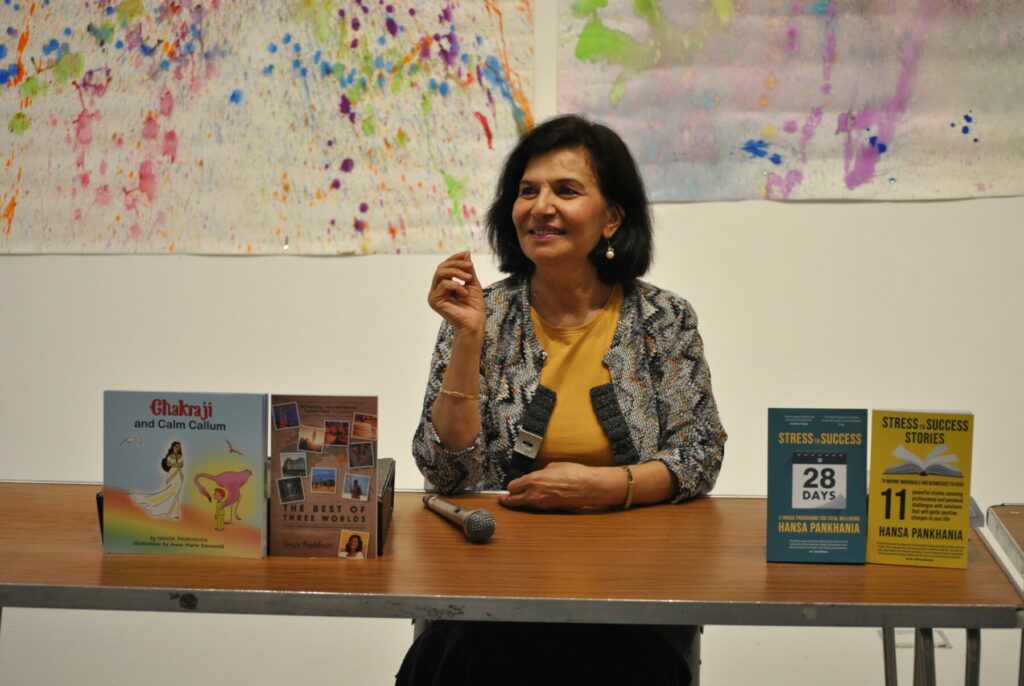
Our mission is to offer solutions for stress management, sustainability, and success by sharing natural, holistic ways to enhance body, mind and planetary wellbeing.
Please reach out if we can support you further or if you have any questions or comments.
Together we can mobilise positive changes in people’s lives to help make this world a better place for everyone.
The work that we do, whether it is working 1-2-1 with you, training a corporate group or writing books and blogs, is geared towards making a difference and helping people to enjoy joyous, meaningful, happy lives.
Get your copies of the 10 self-help books by Hansa Pankhania at https://hansapankhania.com/book-shop/
Support for Wellbeing Services for Businesses can be found at www.aumconsultancy.co.uk
Text- +44(0)7888747438